

What are the consequences of binge consuming on one's physical health?
Binge consuming is a major issue that can have a variety of negative repercussions on a person's physical health. Binge eating condition is an eating disorder defined by episodes of overeating or excessive eating followed by a feeling of guilt, humiliation, or pity. Binge consuming condition is various from bulimia nervosa, another eating disorder, because individuals with binge eating condition do not purge the food they have actually taken in.
Binge consuming can lead to a number of serious illness, including obesity, type 2 diabetes, hypertension, and high cholesterol. People who binge consume are likewise at increased risk for heart illness, stroke, and other serious health issue. Binge eating can also lead to social isolation and anxiety.
It is crucial to seek aid from a certified mental health expert if you or someone you know is struggling with binge consuming. There are a number of effective treatments for binge eating condition, and with treatment, people can recuperate and lead healthy, fulfilling lives.
What are the repercussions of binge consuming on one's psychological health?
Binge eating disorder is a severe mental disorder that can have terrible consequences on a person's physical and mental health. Binge consuming disorder is defined by episodes of compulsive overeating or "binges." These binges are frequently followed by feelings of embarassment, shame, and guilt.
Binge eating condition is more than simply eating way too much on event. It is a pattern of disordered eating that can have serious consequences on a person's physical and psychological health. https://mengeredstoo.co.uk/binge-eating-treatments/ eating disorder is the most typical consuming condition in the United States, affecting 3.5% of ladies, 2.0% of men, and 1.6% of teenagers.
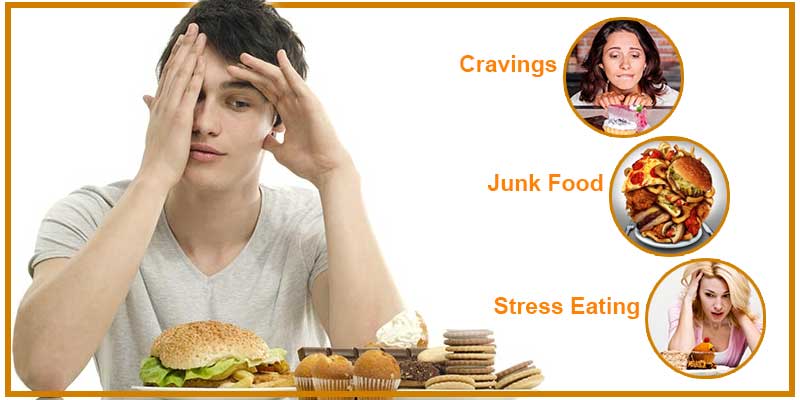
Binge consuming condition is a severe mental disorder that can have destructive consequences on an individual's mental and physical health. Binge consuming condition is characterized by episodes of compulsive overindulging or "binges." These binges are frequently followed by sensations of guilt, embarassment, and humiliation.
Binge consuming condition is more than simply overeating on event. It is a pattern of disordered consuming that can have major consequences on a person's mental and physical health. Binge eating condition is the most typical consuming disorder in the United States, impacting 3.5% of females, 2.0% of guys, and 1.6% of teenagers.
Binge eating condition can result in a variety of physical health effects, including obesity, high blood pressure, high cholesterol, type 2 diabetes, and heart problem. Binge consuming disorder can also result in psychological health consequences, such as anxiety, body, and depression dysmorphic condition.
Binge consuming disorder is a treatable disease. Please seek professional help if you or someone you understand is struggling with binge eating condition.
What are some possible reasons that somebody might start binge eating?
Binge consuming is a major problem that can have a negative influence on a person's physical and psychological health. There are a variety of possible reasons that somebody might begin binge consuming, including:
1. A need to deal with tension or stress and anxiety: Binge consuming might be a method for somebody to handle stress or stress and anxiety. This is since food can be a source of comfort for lots of individuals.
2. A need to manage boredom: Binge consuming might likewise be a method for somebody to handle dullness. Since eating can be a way to fill and pass the time up empty hours, this is.
3. A requirement to deal with unhappiness or isolation: Binge eating may likewise be a way for somebody to deal with sadness or loneliness. This is because food can be a source of comfort for many individuals.
4. A need to cope with appetite: Binge consuming may likewise be a way for somebody to cope with appetite. Because eating can help to stave off hunger and keep the individual feeling complete, this is.
5. A need for attention: Binge consuming might also be a way for somebody to look for attention. Because the individual might feel that they are not getting enough attention from others and so turn to food for comfort, this is.
Binge eating is a serious issue that can have a negative effect on an individual's physical and psychological health. It is crucial to look for expert assistance if you or somebody you know is having a hard time with binge eating.
What are some efficient treatments for binge eating disorder?
Binge eating condition (BED) is a severe, life-threatening eating condition defined by persistent episodes of binge eating. Binge consuming episodes are associated with feelings of shame, guilt, and humiliation. Binge eating disorder is the most typical consuming disorder in the United States, affecting 3.5% of females, 2.0% of males, and 1.6% of teenagers.
The cause of binge eating disorder is not totally understood, however it is believed to be a combination of hereditary, biological, mental, and sociocultural elements.
There is no one-size-fits-all treatment for binge eating condition, but there are a variety of reliable evidence-based treatments readily available. The most typical and reliable treatments for binge eating condition include cognitive-behavioral therapy, social psychotherapy, and pharmacotherapy.
try this out -behavioral treatment (CBT) is a type of psychiatric therapy that assists people to recognize and change negative ideas and behaviors that are contributing to their eating disorder. CBT for binge eating condition normally consists of education about the disorder, identification of binge eating triggers, and advancement of coping and problem-solving abilities.
Interpersonal psychiatric therapy (IPT) is a kind of psychotherapy that focuses on the relationships between people and their environment. IPT for binge eating disorder usually consists of education about the disorder, identification of social issues that might be adding to the disorder, and advancement of skills to improve interaction and deal with dispute.
Pharmacotherapy is the use of medication to deal with a medical condition. Medications that are typically used to treat binge eating disorder include antidepressants, antipsychotics, and mood stabilizers. Antidepressants are the most typically recommended medication for binge eating disorder, and they can be efficient in decreasing the frequency and seriousness of binge eating episodes.
What are some of the most common triggers for binge consuming episodes?
Binge eating episodes are most frequently activated by sensations of guilt, shame, or shame. Other typical triggers consist of feeling stressed out, distressed, or depressed. Binge eating episodes can likewise be activated by certain foods, such as high-fat or sugary foods.