

What are the various causes of binge eating and anorexia?
Binge eating and anorexia are two extremely different disorders, each with their own special set of causes.
Binge eating condition is defined by episodes of overindulging, typically to the point of discomfort or distress. These episodes are often followed by feelings of humiliation, pity, or regret. Binge consuming disorder is thought to be caused by a combination of biological, psychological, and social aspects.
Biological aspects that may add to binge eating disorder include an imbalance of specific chemicals in the brain, such as serotonin. Psychological aspects include unfavorable body image, low self-confidence, and psychological distress. Social factors include dieting culture and the pressure to be thin.
Anorexia is an eating condition defined by severe constraint of food consumption, frequently to the point of hunger. Anorexia nervosa is believed to be triggered by a combination of biological, mental, and social elements.
Biological elements that may add to anorexia nervosa include an imbalance of particular chemicals in the brain, such as serotonin. Mental factors include negative body image, low self-confidence, and psychological distress. Social aspects include dieting culture and the pressure to be thin.
What is the distinction between binge eating and anorexia?
Anorexia nervosa and binge eating condition are both serious mental disorders that can have disastrous impacts on a person's health, both physically and emotionally. Though they share some similarities, they are in fact rather various.
Anorexia nervosa is an eating condition identified by an intense worry of putting on weight, a distorted body image, and severe limitation of food intake. People with anorexia frequently see themselves as overweight, even when they are dangerously underweight. Anorexia is a possibly lethal condition that needs expert treatment.
Unlike anorexia, people with binge eating disorder do not typically limit their food consumption in between binges. While not as instantly deadly as anorexia, binge eating condition can lead to severe health issues over time, such as obesity, type 2 diabetes, and high blood pressure.
What's the difference in between anorexia and binge eating condition? Here are some bottom lines:
-Anorexia is characterized by serious restriction of food intake, while binge eating condition is characterized by durations of unrestrained overeating.
- overcoming binge eating is connected with an extreme worry of gaining weight, while people with binge eating disorder frequently feel ashamed, guilty, and ashamed about their eating.
-Anorexia is a potentially lethal disorder, while binge eating disorder can cause serious health issues over time.
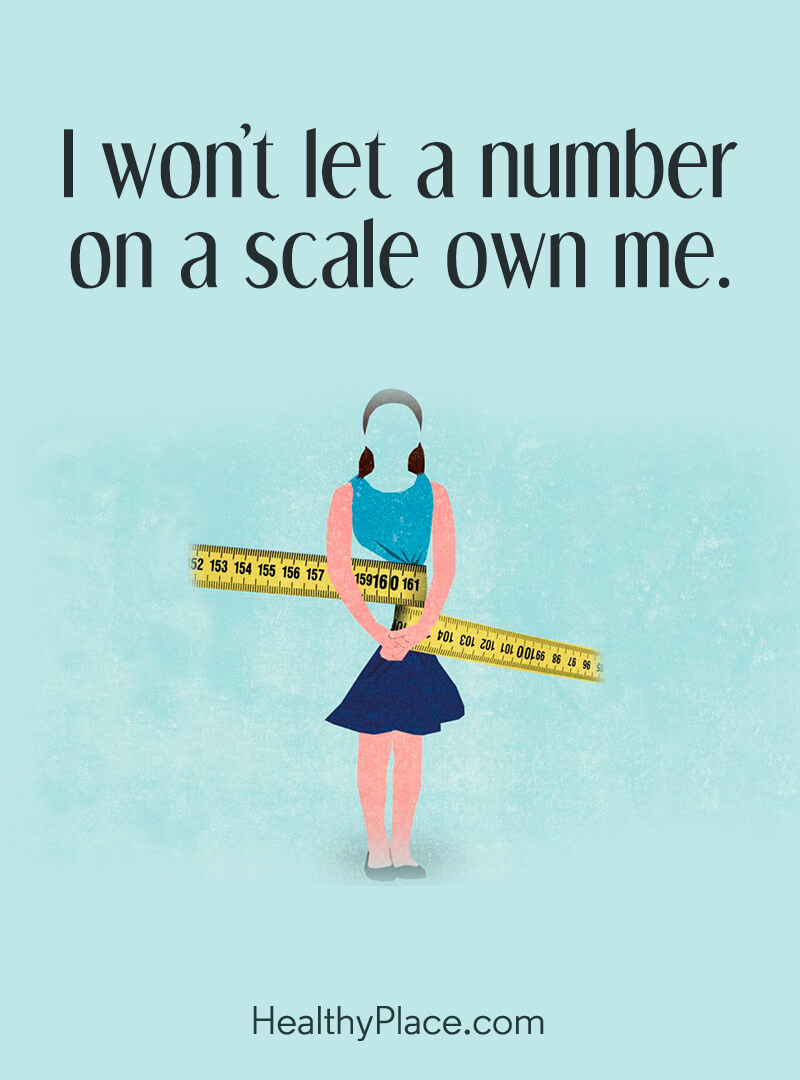
Please seek expert help if you or somebody you understand is having a hard time with an eating disorder.
How do the two disorders differ in regards to signs and treatment?
While both Attention Deficit Hyperactivity Condition (ADHD) and Obsessive Compulsive Condition (OCD) are classified as mental illness, there are substantial distinctions in the symptoms and treatment of the 2 conditions.
ADHD is a condition that is identified by issues with focus, hyperactivity, and impulsiveness. Individuals with ADHD may have problem taking note, be easily sidetracked, squirm or fidget, and be not able to sit still for extended periods of time. Treatment for ADHD typically includes medication and/or behavior modification.
OCD is a disorder that is identified by recurring and intrusive ideas (fixations) and/or recurring habits (obsessions). Individuals with OCD may be consumed with bacteria or dirt, have difficulty throwing things away, participate in extreme hand-washing or cleaning, or have repetitive and invasive thoughts about violence or damage. Treatment for OCD usually consists of medication and/or direct exposure and reaction avoidance therapy.
While there are some resemblances between the two disorders, there are also considerable distinctions. ADHD is usually treated with medication and/or behavioral therapy, while OCD is normally treated with medication and/or exposure and action prevention treatment.
What are some of the prospective repercussions of binge consuming and anorexia?
Binge consuming and anorexia are two of the most common consuming conditions. They can have a number of prospective repercussions, both physically and psychologically.
Physically, consuming disorders can lead to a number of health problems. Binge consuming can trigger weight obesity, type, and gain 2 diabetes.
Psychologically, consuming disorders can trigger a variety of problems. Anorexia can trigger stress and anxiety, anxiety, and social seclusion. It can also lead to compulsive thoughts about food and body image. Binge eating can cause embarassment, regret, and low self-esteem. It can likewise lead to binge eating condition, which is a different mental disorder.
Consuming disorders can have a variety of possible repercussions, both physical and psychological. If you or someone you understand is dealing with an eating condition, it is necessary to seek expert help.
How do the 2 conditions differ in terms of how they are experienced by the victim?
Additionally, people with PTSD may prevent individuals or places that remind them of the trauma, while people with OCD may avoid particular activities or circumstances that activate their stress and anxiety. People with PTSD might feel numb or separated from others, while individuals with OCD might be more likely to look for peace of mind from others.